
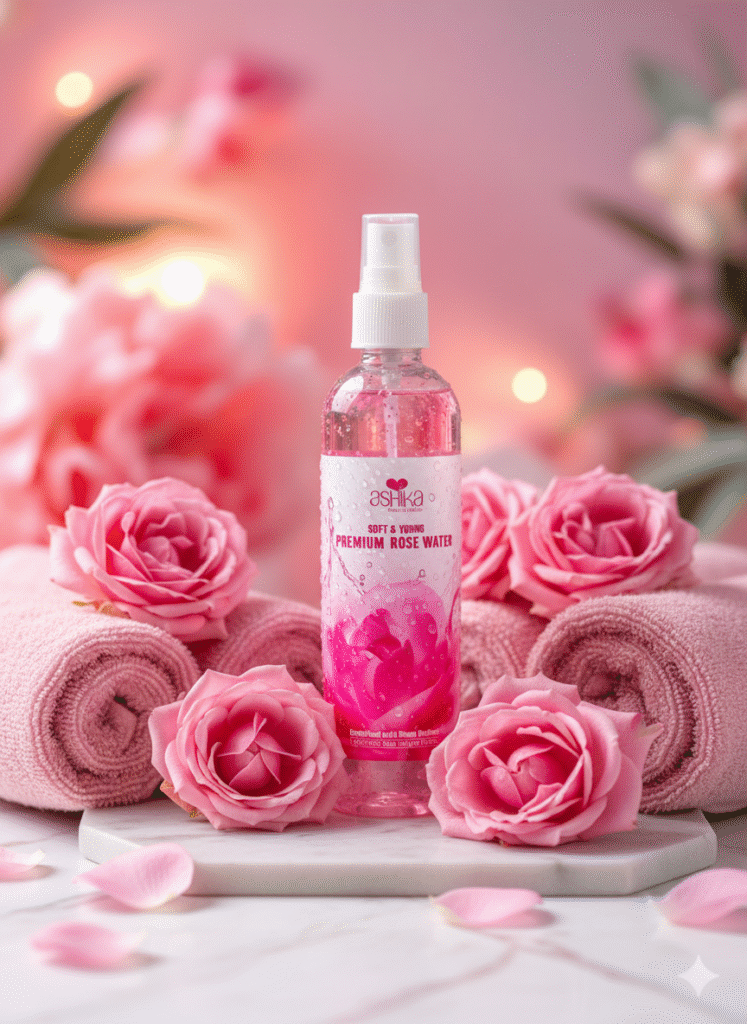
What is Rosewater?
Rosewater is a fragrant liquid derived from the distillation of rose petals, primarily from the species Rosa damascena, commonly known as the damask rose. This aromatic water has been utilized for centuries due to its diverse benefits and applications, particularly in cosmetics, cooking, and traditional medicine. Its production involves a meticulous process where rose petals are steamed or boiled, resulting in a byproduct that captures the delicate essence of the flowers while forming a hydrosol rich in therapeutic properties.
The history of rosewater dates back to ancient civilizations, where it was highly prized for its many uses. In ancient Persia, rosewater served as a key ingredient in rituals and was utilized not only for its aromatic qualities but also for its skin-enhancing abilities. The Egyptians, too, embraced it, incorporating rosewater into beauty regimens and religious ceremonies. This historical significance underlines the timeless allure and cultural importance of rosewater, making it an integral part of various traditions around the world.
In addition to its historical context, the extraction of rosewater has also evolved. Traditional methods, such as the “Cooled Distillation” or “Hydrodistillation,” emphasize careful handling to preserve the delicate fragrance and inherent properties of the roses. As a result, pure rosewater boasts a multitude of applications, ranging from skincare to culinary uses. Its hydrating, soothing, and anti-inflammatory qualities make it particularly beneficial for skin health, reducing redness, and enhancing overall complexion. Moreover, its subtle flavor has made it a popular ingredient in Middle Eastern cuisine, adding distinct taste and aroma to dishes and beverages.
The Chemistry Behind Rosewater
Rosewater is not merely a fragrant liquid; it is a complex concoction derived from the steam distillation of rose petals. This process extracts a multitude of beneficial compounds that are responsible for its various properties. Key components such as phenolics and flavonoids play significant roles in providing rosewater with its renowned therapeutic and cosmetic benefits.
Phenolics, a class of chemical compounds characterized by the presence of aromatic rings, are known for their antioxidant properties. In rosewater, compounds like gallic acid and ellagic acid are found among its phenolic constituents. These compounds are critical in combating oxidative stress, ultimately protecting cells from damage. The presence of these antioxidants not only preserves the integrity of the rosewater but also enhances its anti-aging effects when applied to the skin.
Flavonoids are another important group of compounds present in rosewater. These substances are known to provide anti-inflammatory properties and may aid in soothing irritated skin. Quercetin and kaempferol are examples of flavonoids found in rosewater, contributing to its ability to ward off skin issues such as redness and swelling. Additionally, these flavonoids act as natural preservatives, extending the shelf-life of rosewater without the need for artificial additives.
The synergistic effect of these chemical compounds in rosewater creates a powerful elixir that promotes skin health and overall well-being. By understanding the chemistry behind rosewater, we can appreciate its value in both traditional and modern applications. This knowledge also provides insight into how rosewater can be effectively utilized in various skin care regimens and holistic practices, enhancing its appeal as a natural remedy.
Skin Benefits of Rosewater
Rosewater, a fragrant liquid made from steeping rose petals in water or distilling roses with steam, has been venerated for centuries due to its myriad benefits for the skin. Its inherent anti-inflammatory properties work marvelously in reducing redness and swelling, making it an excellent remedy for individuals suffering from conditions like acne, rosacea, or other forms of skin irritation. Many users report noticeable improvements in their skin’s overall appearance shortly after incorporating rosewater into their skincare routines.
Furthermore, rosewater is a natural hydrating agent. Its gentle formula helps to maintain moisture balance on the skin, preventing dryness without leaving any greasy residue. For those with oily skin, rosewater can prove particularly advantageous. It not only hydrates but also balances the skin’s natural oil production, leading to a clearer complexion. Users often highlight how a simple mist of rosewater spray can instantly refresh and rejuvenate dull skin, offering a dewy glow.
In addition to hydration and inflammation control, rosewater is renowned for its soothing qualities. It can calm irritated skin caused by sun exposure or environmental stressors. Many people have shared testimonials pinpointing their reduced discomfort and enhanced comfort levels after applying rosewater directly to affected areas. Personal accounts abound of how incorporating rosewater into daily skincare routines has relieved dryness and fostered a more even skin tone.
With its anti-inflammatory, hydrating, and soothing effects, rosewater serves as a versatile and valuable component in skincare. Advocates of this simple yet effective product continue to extol its virtues, demonstrating that nature often provides the best remedies for our skin concerns.
Rosewater in Haircare
Rosewater has been revered for its myriad benefits, particularly in the realm of haircare. Its natural properties make it an excellent addition to both daily hair routines and specialized treatments. One of the primary advantages of using rosewater on hair is its ability to enhance shine. This is due to its composition, which includes a variety of vitamins and antioxidants that nourish the hair, giving it a lustrous appearance.
Another significant benefit of rosewater is its effectiveness in promoting a healthy scalp. The gentle, soothing nature of rosewater can help to maintain scalp hydration, alleviating dryness and flakiness. Additionally, it possesses anti-inflammatory properties that can calm irritation and redness on the scalp, contributing to overall scalp health. This makes rosewater an ideal solution for individuals dealing with dandruff or other scalp issues.
Furthermore, the natural fragrance of rosewater adds an appealing scent to hair, substituting the need for artificial fragrances often found in commercial hair products. Utilizing rosewater in haircare can create a refreshing and pleasant aromatic experience without the harsh chemicals. It can be easily incorporated into an individual’s haircare regimen; for instance, it can be used as a conditioning rinse, a leave-in treatment, or even added to homemade hair masks to enhance their effectiveness.
To integrate rosewater into your haircare routine, simply spray it onto the scalp or hair after a shower, or mix it with oils and apply it before styling. Such applications not only ensure your hair feels softer and looks glossier but also provide a healthy, nourished foundation for hair growth.
Culinary Uses of Rosewater
Rosewater, an aromatic floral distillation, has been utilized in culinary applications across various cultures for centuries. Its unique flavor profile offers a delicate yet complex aromatic note that can enhance both sweet and savory dishes. In desserts, rosewater serves an essential role in traditional recipes like baklava, where it complements the richness of nuts and syrup with its fragrant essence. A popular Middle Eastern dessert, muhallebi, is a milk pudding flavored with rosewater, creating a light and refreshing end to a meal.
Additionally, rosewater is often a vital ingredient in Persian, Indian, and Turkish cuisines, where it is used to elevate the taste of sweets and pastries. For instance, the Indian dessert gulab jamun, which translates to “rose berry,” incorporates rosewater in its syrup, providing a slight floral hint that enhances sweetness. Another dessert that showcases the use of rosewater is the famous Turkish delight, where the infusion of rosewater intensifies the candy’s sweet floral notes.
Apart from sweets, rosewater can also be utilized in various beverages. In the Middle East, it is frequently added to lemonade or used as a flavoring in cocktails, bringing a unique twist to traditional drinks. The aromatic qualities of rosewater make it an appealing choice for many mixologists who endeavor to create innovative concoctions. Furthermore, some cultures have embraced rosewater in savory dishes, pairing it with ingredients such as saffron in rice dishes, which not only adds depth but also enhances the visual appeal through the vivid aromatic characteristics.
Overall, the culinary applications of rosewater are diverse and culturally significant. Its ability to enrich desserts and beverages with a subtle floral aroma has rendered it an essential ingredient in numerous global cuisines, making it a staple in kitchens around the world.
Rosewater in Aromatherapy
Rosewater has long been cherished not only for its delightful fragrance but also for its significant aromatic properties, particularly in the practice of aromatherapy. Known to evoke feelings of peace and tranquility, rosewater’s essence can effectively promote relaxation, reduce stress, and enhance overall mood. This versatile liquid, derived from the distillation of rose petals, supports mental well-being by helping to alleviate anxiety and fatigue.
In aromatherapy, rosewater can be utilized in various ways to experience its numerous benefits. One common method is through diffusing, where a couple of drops of rosewater can be added to a diffuser to create a calming atmosphere. The aromatic compounds released into the air can help uplift one’s spirits and instigate a sense of soothing comfort. Alternatively, rosewater can be added to bathwater, where its fragrant properties help to immerse the user in relaxation, providing a rejuvenating experience after a long day.
Moreover, rosewater can be incorporated into massage oils. When mixed with a carrier oil, the calming scent of rosewater can enhance the benefits of the massage, helping to relieve tension in the body and promote a sense of overall well-being. Additionally, it can also serve as a facial mist, refreshing the skin while simultaneously imparting its uplifting aroma. This application not only revitalizes the skin but also enhances mood throughout the day.
Incorporating rosewater into daily life can be an effective way to embrace its aromatherapeutic properties. Whether through simple sprays, luxurious baths, or calming massages, the ability of rosewater to transform both mood and ambiance is a remarkable aspect of this natural extract. This aromatic ingredient offers a gentle yet profound means to harmonize emotional health, making it an essential component of many holistic practices.
How to Use Rosewater Effectively
Incorporating rosewater into your daily routine can yield numerous benefits for skin and hair. This versatile product serves multiple purposes, from soothing irritated skin to enhancing hydration levels. Understanding effective methods of usage can maximize its potential and ensure optimal results.
One of the easiest ways to utilize rosewater is as a facial mist. To create a DIY face mist, combine one part rosewater with one part distilled water in a spray bottle. For enhanced effects, consider adding a few drops of essential oils, such as lavender or chamomile. Shake well before each use, and spray it onto your face throughout the day to refresh and hydrate your skin.
Another practical application of rosewater is as a toner. To make a natural toner, mix equal parts of rosewater and witch hazel. After cleansing your face, apply this mixture using a cotton pad, which can help in tightening pores and balancing the skin’s pH levels. This two-in-one solution combines the moisturizing benefits of rosewater with the astringent qualities of witch hazel, making it particularly effective for combination skin.
For hair care, rosewater can be an excellent hair rinse. To prepare a simple hair rinse, dilute rosewater with water in a 1:3 ratio. After shampooing, pour the mixture over your hair, allowing it to sit for a few minutes before rinsing it out. This method can add shine and relieve dry scalp issues while retaining moisture in hair strands.
When using rosewater, it is important to conduct a patch test, especially for those with sensitive skin or allergies. Apply a small amount to a discreet area and wait 24 hours to check for any adverse reactions. Utilizing rosewater safely and effectively can enhance your skincare and haircare routine, unlocking the myriad benefits this floral essence has to offer.
Customer Reviews of Our Rosewater Products
Customer feedback regarding our rosewater products highlights the diverse benefits and positive transformations experienced by users. Many individuals have reported a resurgence of vitality in their skincare routine after incorporating our rosewater. For instance, one customer stated that after a couple of weeks of consistent use, their skin felt rejuvenated and significantly more hydrated. This aligns with the natural moisturizing properties attributed to rosewater, which can help maintain skin’s natural moisture balance.
Furthermore, users often highlight how our rosewater products have aided in alleviating skin irritations. Several testimonials mention the calming effects on redness and sensitivity. A noteworthy review from a long-time user detailed their struggle with eczema, noting that within days of applying our rosewater, their redness diminished, and the skin felt soothed and less inflamed. This reflects rosewater’s anti-inflammatory properties, making it suitable for various skin types, even sensitive ones.
Moreover, many customers have also expressed satisfaction with the fragrance of our rosewater products. A review remarked that the subtle, natural scent offers a refreshing experience that elevates their daily routines. Users appreciate that it provides not just skincare benefits, but also a sensory delight. Thus, the use of our rosewater has become a beloved part of morning regimens, instilling a sense of calm and purity.
Overall, reviews summarize positive sentiments, noting elevated hydration levels, improved skin texture, and satisfaction with the sensory experience. The transformative effects of our rosewater products have left customers content, as they experience noticeable changes that enhance both their skin and overall well-being.
Final Thoughts: Transforming Your Daily Routine with Rosewater
Incorporating rosewater into your daily beauty and wellness regimen can yield significant benefits. As we have explored throughout this blog post, rosewater is not merely a fragrant addition to your skin care; it epitomizes versatility and holistic wellness. Its anti-inflammatory properties provide a soothing effect on the skin, making it an excellent choice for those with sensitive skin or conditions like acne and eczema.
Furthermore, the hydrating qualities of rosewater can enhance your complexion, providing a rejuvenated and radiant appearance. By replenishing moisture levels, rosewater contributes to an overall healthier skin tone, thereby promoting a youthful glow. Additionally, it serves as an ideal primer for makeup enthusiasts, ensuring a smooth canvas for application and improving longevity.
Beyond its external applications, rosewater also plays a vital role in mental wellness. The calming scent has the potential to reduce stress and anxiety, making it a valuable addition to aromatherapy practices. Simply adding a few drops to a diffuser or utilizing it as a pillow mist can create a serene environment conducive to relaxation and mindfulness.
As you consider ways to elevate your beauty and wellness routines, integrating rosewater products could be transformative. Whether used as a facial mist, added to bath water, or included in homemade skincare recipes, rosewater aligns with various lifestyle choices, from minimalistic to luxurious. Embracing this natural elixir may very well lead to an enhanced daily experience, one that nourishes both body and mind. Therefore, exploring the availability of high-quality rosewater products could be the first step in harnessing its myriad benefits for your holistic well-being.